AI Productivity Roadmap for Pharmaceutical Manufacturing

AI-Powered Productivity: Pharmaceutical Manufacturing Roadmap

Empowering Malaysia’s pharmaceutical industry with AI to boost productivity, innovation, and global competitiveness.

Industry Overview

Essential to Health & Economy, Yet Facing Digital Gaps

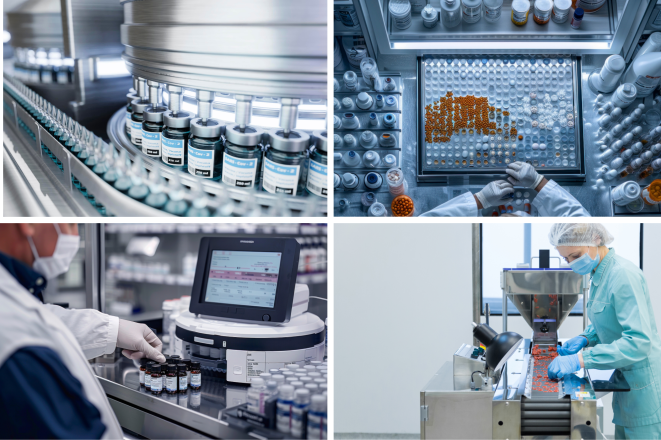
The pharmaceutical industry is a key pillar of Malaysia’s economy and public health, contributing RM3.4 billion to GDP in 2022. It covers innovative and generic drugs, biopharmaceuticals, health supplements, traditional medicines, and cosmetics.

Despite government support and rising demand from an aging population, the sector struggles with outdated digital infrastructure, fragmented systems, and a shortage of skilled digital talent.

Key supply chain include:

Productivity Growth: RM96,928 per worker (7.08% in 2024)

Key Challenges

Despite its strong foundation, the industry faces several hurdles in embracing digital transformation:

01. Gaps in Digital Infrastructure and AI Adoption
Limited access to advanced digital infrastructure, outdated regulatory technology, and slow AI adoption hinder operational efficiency and productivity improvements.
02. System Fragmentation and Data Silos
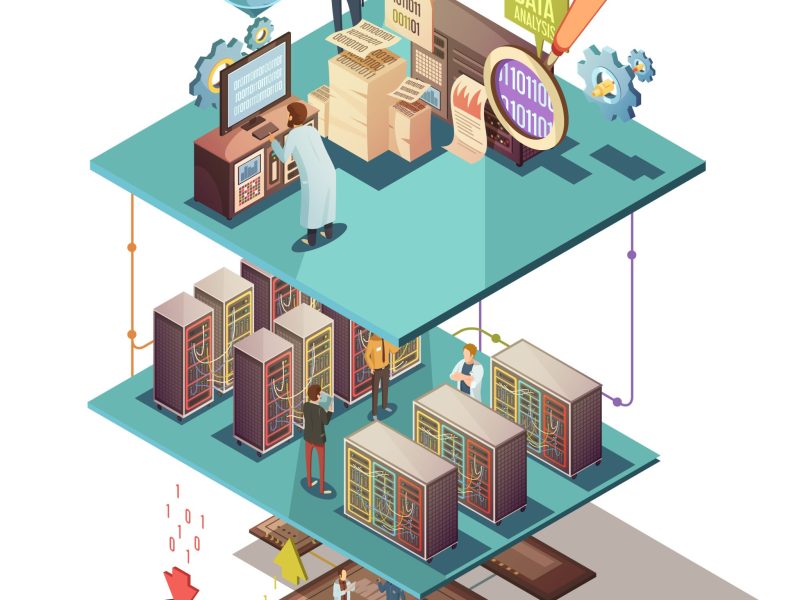
Disconnected digital systems across production, regulatory, and distribution functions slow data integration, reduce visibility, and delay effective decision-making.
03. Shortage of Skilled Digital and AI Talent
Insufficient expertise in data analytics, digital supply chain management, and AI applications limits the ability to optimise operations and embrace emerging technologies.
Previous slide
Next slide
Why Digital Now?

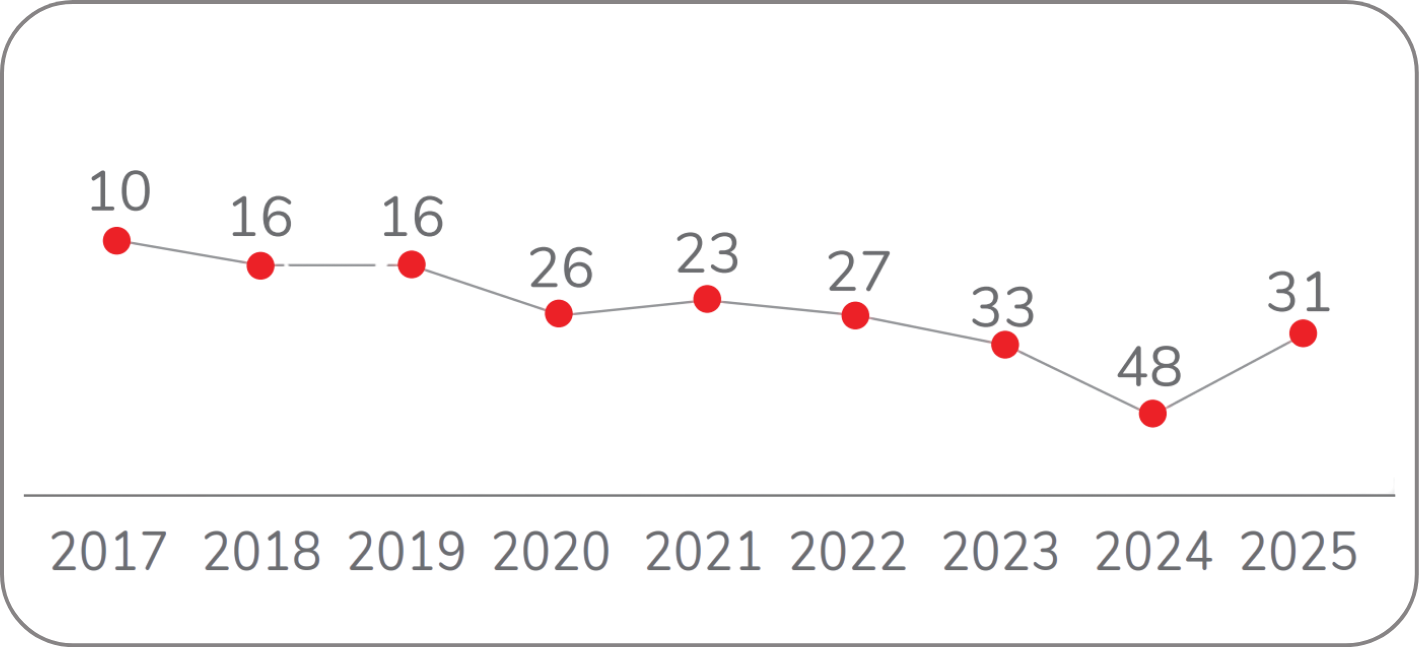
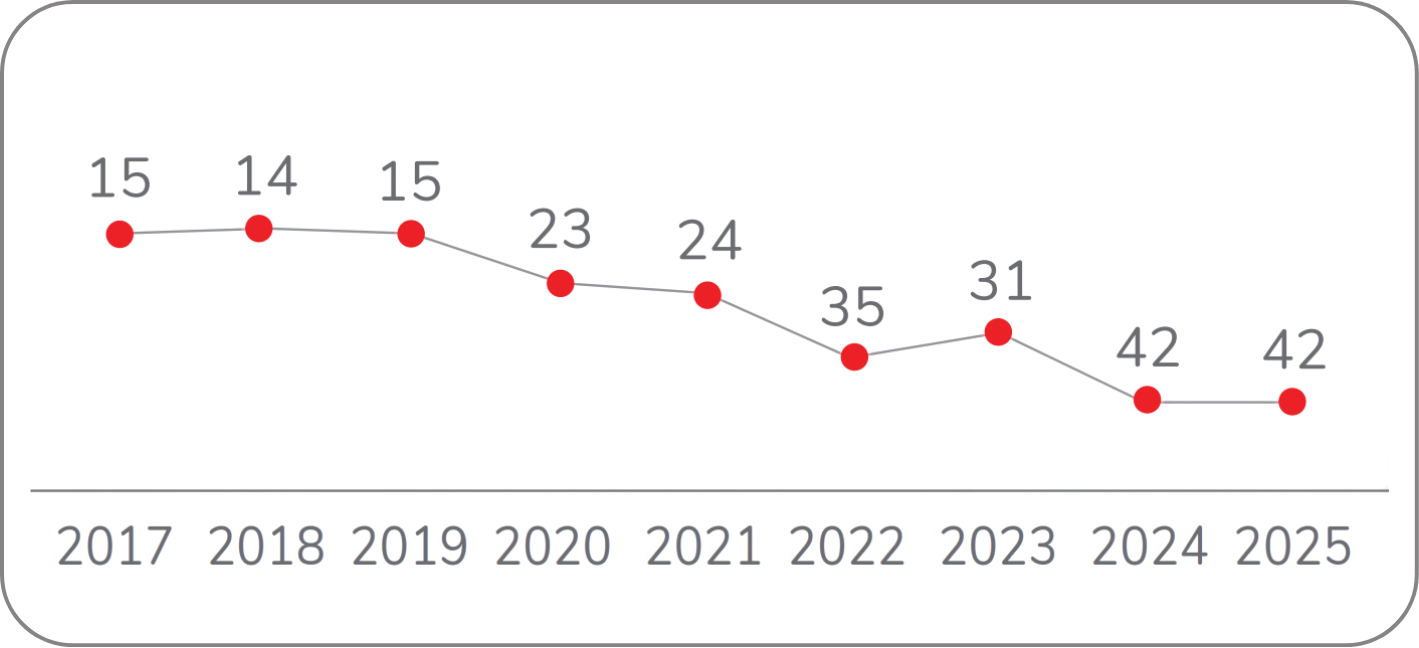
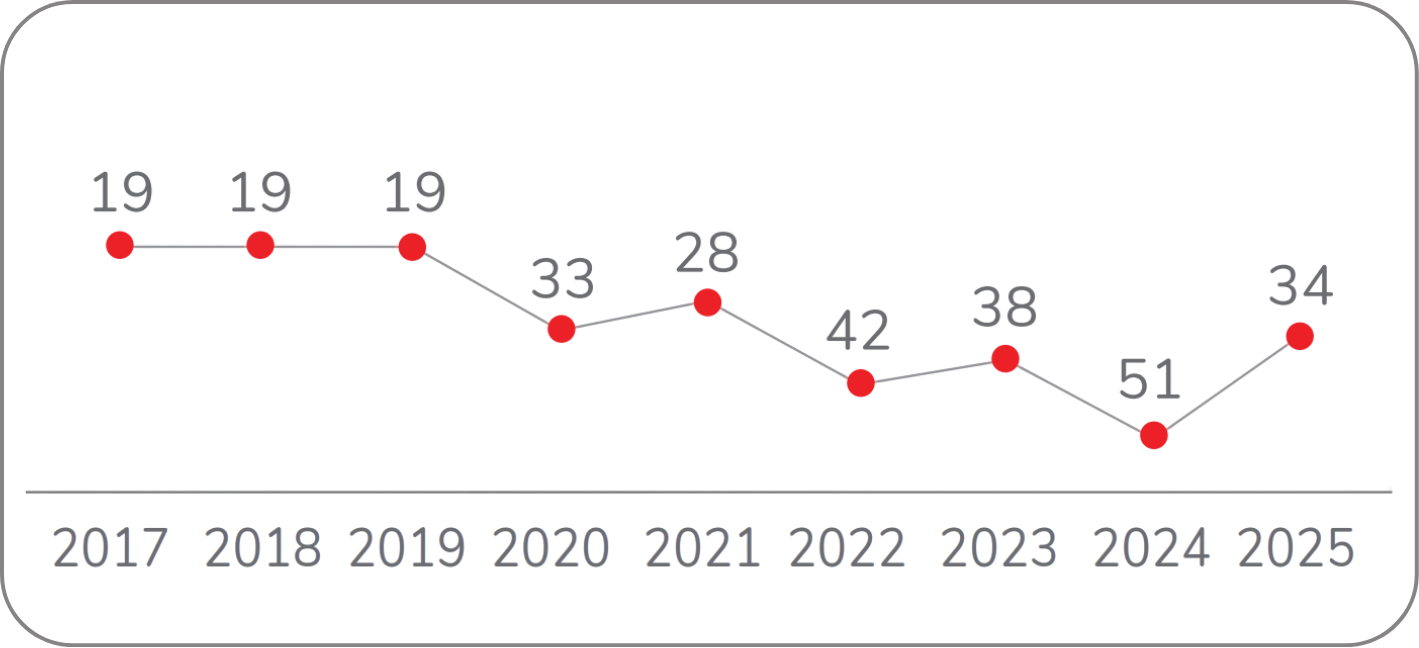
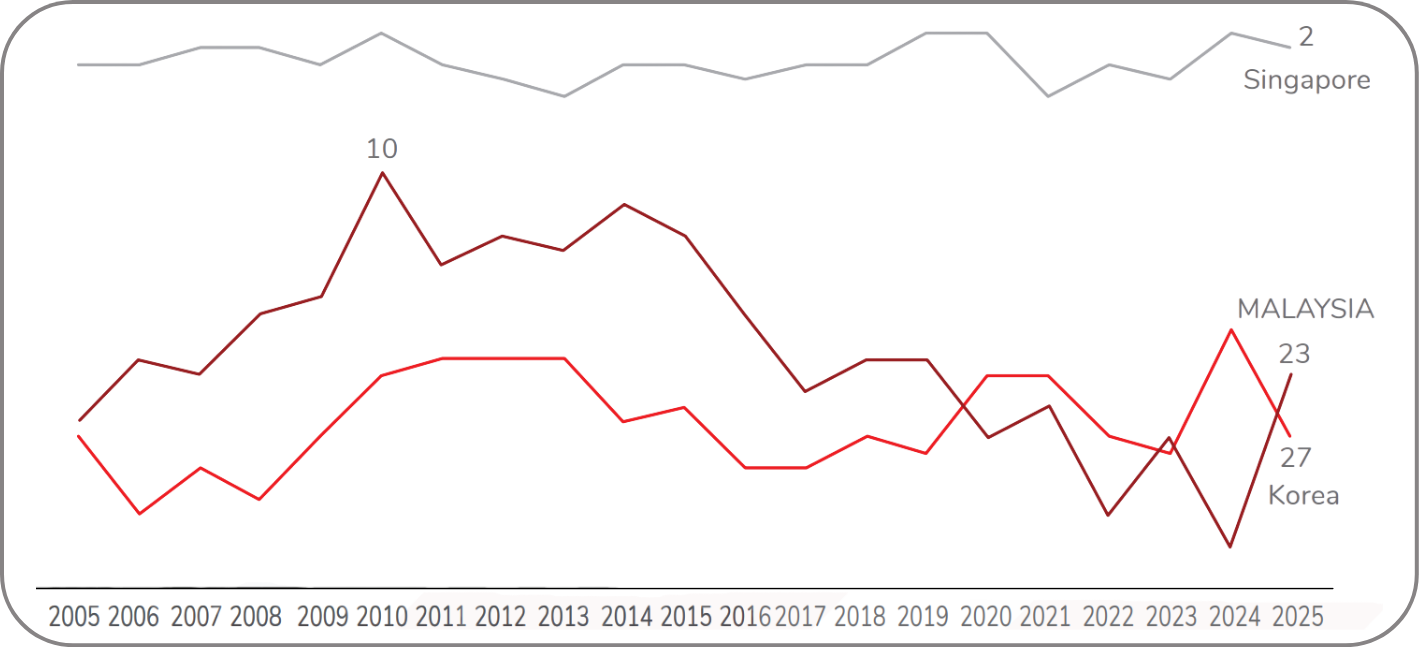
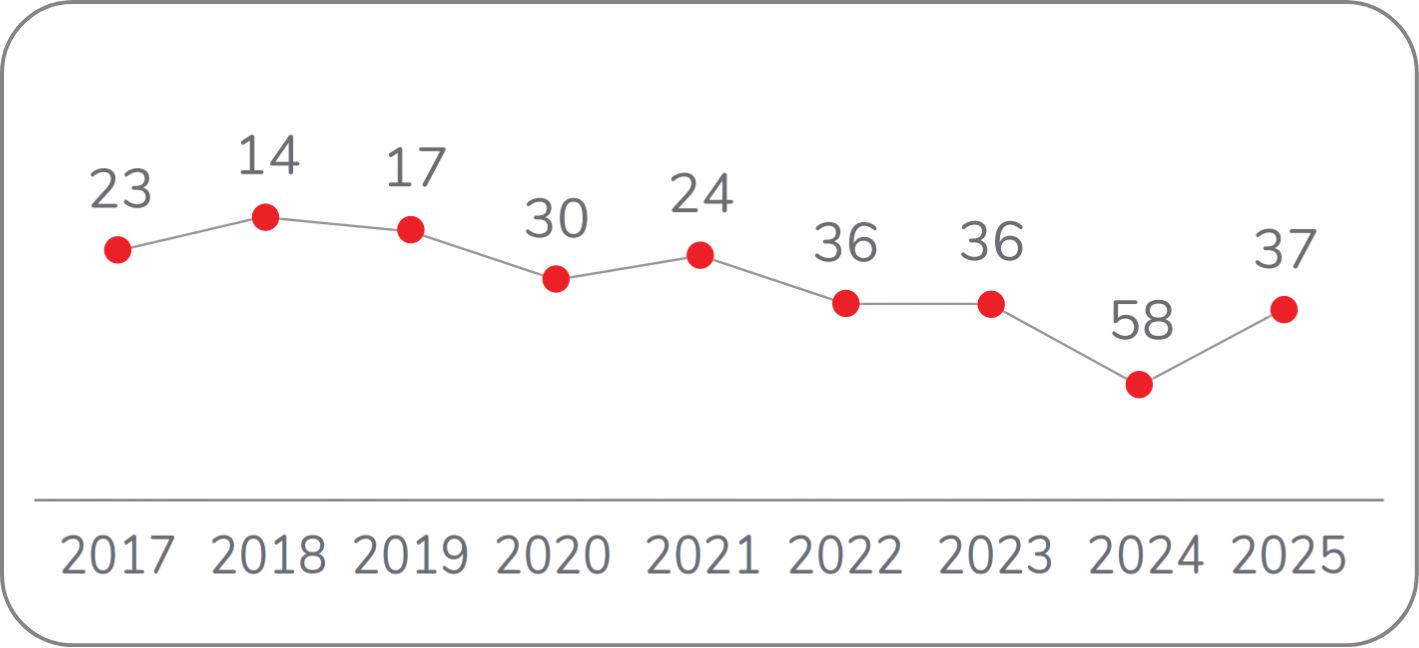
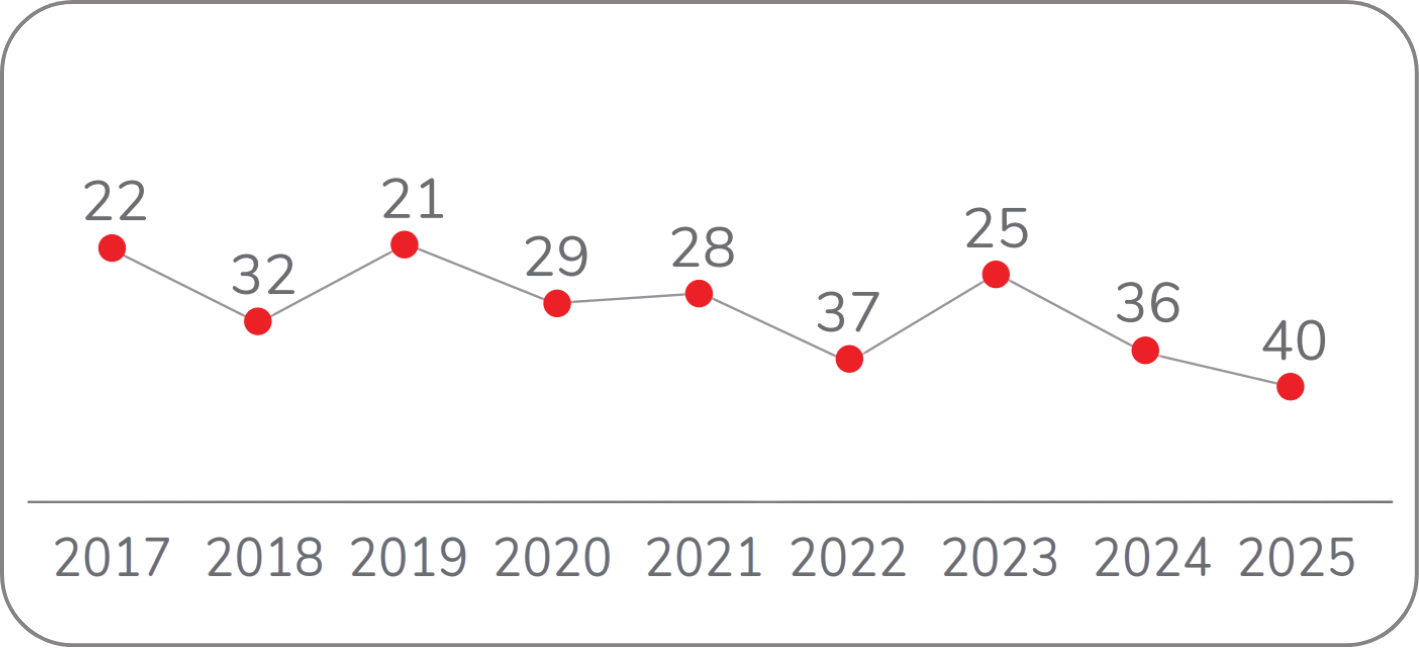
Global competition, stricter regulatory compliance, and increasing health demands require a digital-first approach. AI adoption boosts efficiency, ensures traceability, improves compliance, and enhances Malaysia’s competitiveness to reach its Top 12 global competitiveness goal by 2033.

Accelerating Technology Adoption to Enhance National Competitiveness

Use of Digital Tools and Technology

Digital/Technological Skills

Digital Transformation in Companies

Management Practices

Corporate Agility

Overall Competitiveness

Our Solution

AI and Digital Adoption in Pharmaceutical Industry

AI and digital tools are becoming essential for pharmaceutical manufacturers and supply chain players to enhance efficiency, ensure compliance, and remain globally competitive. This roadmap highlights key areas where AI and digital adoption can deliver significant impact.

Supply Chain & Inventory

Leveraging AI for demand forecasting, raw material planning, and inventory optimization can reduce waste, mitigate shortages, and improve procurement strategies.

Manufacturing & Formulation

Science-based Design of Experiments (DoE) significantly shortens the product development cycle by systematically optimizing experimental processes. This approach enhances decision-making efficiency, reduces the number of trials required, and ensures faster delivery of high-quality products to market.

Building a Strong Digitalization Ecosystem

A 5-step framework to strengthen digital transformation by aligning tech solutions with industry needs:

  • 01. Digital Pledge (Business Leader/- CEO):

    Commit to digital transformation and prioritize it in the business strategy.

  • 02. Supply (Digital Solution Providers):

    Ensure digital solutions are available, affordable, and scalable for businesses.

  • 03. Matching Solution (MPC/Business Leader):

    Identify and match the right digital solutions to business needs.

  • 04. AI Productivity Roadmap (Business Leader/CEO):

    Create a clear, actionable plan for integrating digital technologies.

  • 05. Influence (Business Leader/CEO):

    Use proof of concept to drive adoption and build internal capacity for digital transformation.

Machinery & Equipment Enterprise Digital Transformation Journey

Basic

Basic stage relies on manual processes, using Excel or Google Sheets for tracking. Equipment monitoring and process optimization are paper-based, with minimal automation and integration.

Intermediate

Intermediate stage, automation is introduced with ERP systems, barcode/RFID tracking, and digital compliance checklists. These tools improve inventory management and process visibility but lack advanced predictive analytics or full integration.

Advanced

The advanced stage integrates AI, IoT, and blockchain. AI-driven forecasting optimizes inventory, while IoT enabled smart warehousing enhances real-time monitoring. Blockchain ensures traceability, optimizing processes and improving security through advanced technologies.

Progressive Stages of Digital Adoption in the Pharmaceutical Manufacturing

Discover Digital Adoption in the Pharmaceutical Manufacturing

Explore how pharmaceutical manufacturing are advancing through key stages of digital transformation