AI Productivity Roadmap for Logistics

Driving Malaysia’s Logistics Sector to a Quantum Leap

Enhance Efficiency, Optimize Operations, and Achieve Global Competitiveness through Smart Digital Adoption.

Industry Overview

The Malaysian Logistics Landscape: A Sector on the Rise

Malaysia’s logistics sector is a crucial economic pillar, encompassing various sub-sectors like transport of goods, forwarding, warehousing, and small parcel delivery.

Key Achievement

Malaysia’s Logistics Performance Index (LPI) ranking significantly improved from 44th in 2018 to 26th in 2023, demonstrating strong progress and potential.

Key Challenges

01. Overcapacity in Warehouse
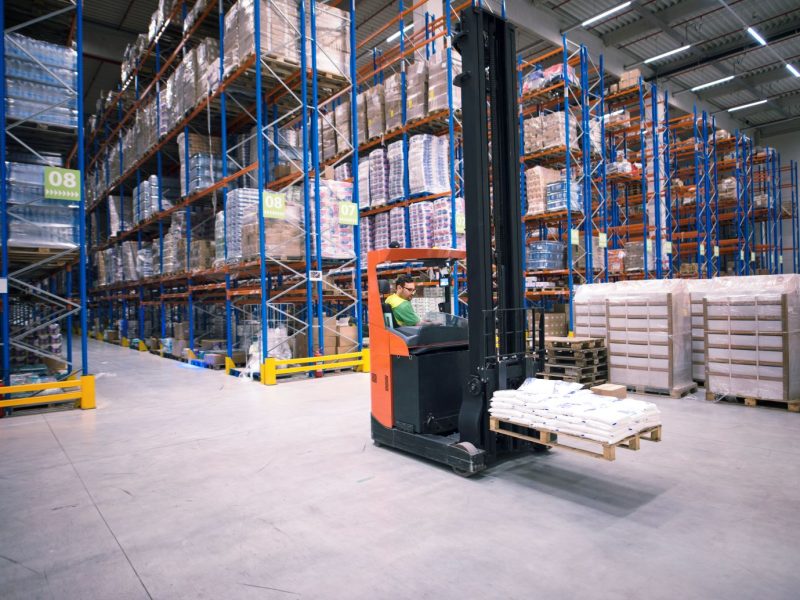
Limited storage space led to inefficient pallet placement, often requiring the manual overrides of the Warehouse Management System (WMS).
02. Inefficiencies and Inventory Errors
Bypassing WMS processes resulted in operational inefficiencies and a higher risk of inventory errors.
Previous slide
Next slide

Why Digital Now?

Digitalization is crucial to overcome these limitations, optimize operational efficiency, and enhance Malaysia’s competitiveness in the global logistics market.

Boosting Enterprise Productivity Through Digital Roadmap

Digital Transformation Journey: From Preparatory to Quantum Leap

The roadmap outlines four progressive stages of digital adoption, guiding businesses from basic digital functions to advanced, integrated systems.

Dynamics 1

PREPAROTORY

Focus on fundamental digital management.

  • Freight
  • Billing
  • E-invoicing
  • Fleet
  • Inventory

Dynamics 2

GROWING

Integrating core operations

  • Transport
  • Warehouse Management
  • Business Integration
  • E-Payment

Dynamics 3

STRENGTHEN

Strengthening logistics capabilities

  • Integrated Logistics Gateways
  • E-commerce Gateway
  • Cold-chain Logistics Operations
  • Green Logistics Technologies

Dynamics 4

QUANTUM LEAP

Quantum Leap in logistics Innovation

  • Collaborated Logistics Operations
  • Distributed Ledger Technologies (Block Chain)
  • Integrated Data Analytics (Artificial Intelligence)
Digital Transformation Journey – Inventory Management

Our Solution

The Logistic Productivity Roadmap

Automated Storage and Retrieval Systems (ASRS):

Improved warehouse space utilization by enabling higher density storage and automating the picking process.

Digital Inventory Management with Barcode and QR Codes:

Integrated digital systems for real-time stock tracking, reducing
human errors and improving real-time data availability.

The Logistic Productivity Roadmap

Basic

Manual  Inventory Control

Intermediate

Warehouse Management System (WMS)

Advanced

Automated Storage and Retrieval Systems (ASRS)

Progressive Stages of Digital Adoption in the Tourism Industry

Digital Strategic Implementation Matrix

The matrix helps logistics companies prioritize digital initiatives based on their “Cost of Implementation” versus “Ease of Implementation.”

This tool guides businesses to identify “quick wins” (e.g., Border Facilitation, Billing & E-Invoicing) that are easy and low cost, while also planning for more complex, high-impact technologies like AI and Blockchain.

Real-World Impact: Driving Operational Efficiency

This case study showcases how digital adoption transformed Sime Darby Property Industrial and Logistic Development.

Problems

  • Overcapacity in Warehouse
  • Inefficiencies and Inventory Errors

Solutions

  • Automated Storage and Retrieval Systems (ASRS)
  • Digital Inventory Management with Barcode and QR Codes

Value Creation

  • Picking throughput increased by 240% (from 236 to 800 items per hour).
  • Labor requirements and costs reduced by 50%.
  • Fewer errors, faster delivery, improved safety, higher morale, reduced energy consumption.

Discover the Stages of Digital Adoption

Curious about the progressive stages of digital adoption in logistics operations?