AI Productivity Roadmap for Agro-Food

Cultivating a Smarter Future forr Malaysia’s Agro-Food Industry

Empowering Farms, Fisheries, and Livestock with Advanced Digital Solutions for Enhanced Yields, Efficiency, and Sustainability.

Industry Overview

The Agro-Food Sector: Challenges & The Digital Imperative

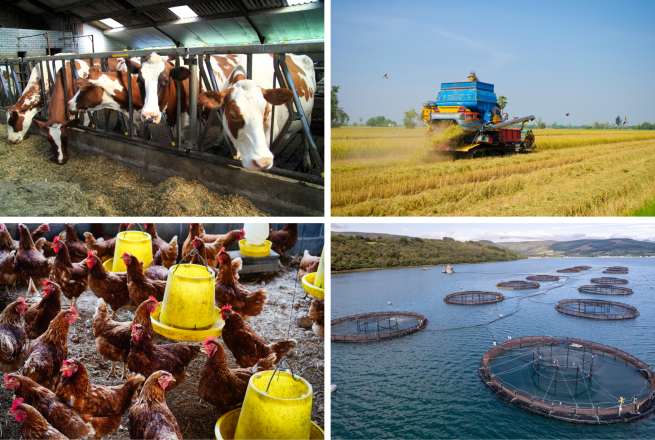
Malaysia’s agro-food sector is a vital GDP contributor (10.9%/ RM50.66 billion in Q1 2024). It encompasses aquaculture, crop cultivation, poultry, and ruminant farming, and has a vast workforce. Its complex value chain includes production, harvest, processing, distribution, and retail.

Key Challenges

  • High Initial Investment & Uncertain ROI
  • Lack of Digital Literacy Among Workers
  • Connectivity & Infrastructure Gaps
  • Fragmented Systems & Lack of Interoperability
  • Maintenance & Technical Support Limitations
  • Cybersecurity & Data Privacy Concerns
  • Regulatory and Compliance Complexity
  • Cultural Mindset & Generational Divide

Why Digital Now?

Despite improving productivity, these challenges impact supply chain reliability, product quality, and food safety. Digitalization is essential to overcome these hurdles and ensure long-term sustainability and competitiveness.

Boosting Enterprise Productivity Through Digital Roadmap

Use of Digital Tools and Technology

Malaysian businesses are seeing a worrying decline in the "Use of Digital Tools and Technology," "Digital Transformation in Companies," and "Digital/Technology Skills" rankings, with a sharp drop in 2024.

Digital Transformation in Companies

This highlights a growing gap in digital readiness.

Digital/Technological Skills

Key Challenges: Fragmented platforms, high costs, lack of expertise, and inconsistent digital skills development hinder adoption.

Our Solution

The Agro-Food Digital Productivity Roadmap

Many SMEs lack a structured path to adopt, scale, and benefit from digital solutions, leading to skill gaps and limited growth. MPC’s ‘Boosting Enterprise Productivity via Digital Roadmap’ initiative aims to provide this structured guidance.

Building a Strong Digitalization Ecosystem

A 5-step framework to strengthen digital transformation by aligning tech solutions with industry needs:

  • 01. Identify Enterprise Needs

    Identify enterprise needs through Digital Readiness Profiles.

  • 02. Ensure Affordability And Availability

    Ensure affordability and availability of digital solutions via enablers like KD/MDEC.

  • 03. Match Solutions

    Match solutions to demand effectively.

  • 04. Create a Digitalization Roadmap

    Create a Digitalization Roadmap for strategic guidance.

  • 05. Implement Proof of Concept (POC)

    Implement Proof of Concept (POC) with 250 enterprises to test and scale solutions.

Digital Transformation Journey in the Agro-Food Industry

Basic

Paper logs and manual field inspections

Intermediate

Sensor data and mobile monitoring apps

Advanced

AI-based analytics, predictive monitoring

Progressive Stages of Digital Adoption in the Agro-Food Industry

Real-World Success Stories: Quantifying the Digital Advantage

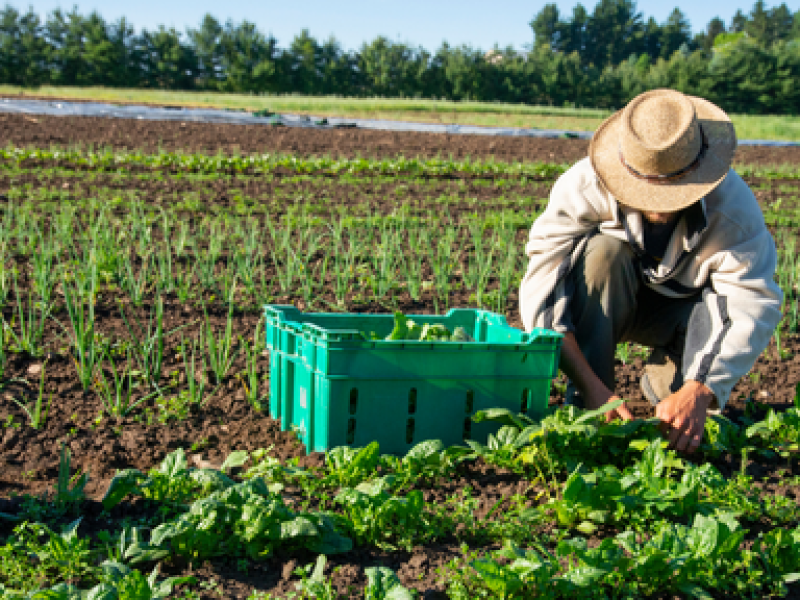
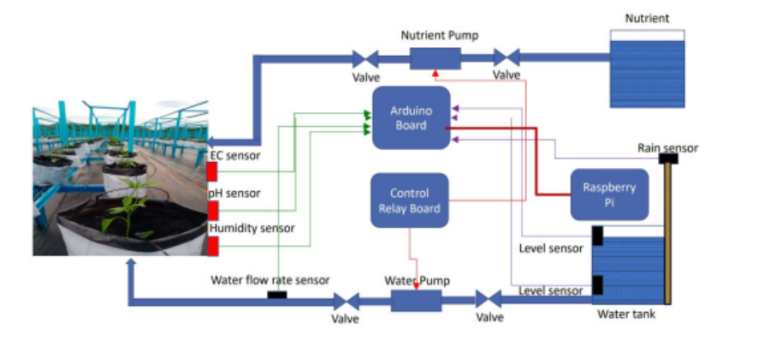
Case 1: Helmy Agrisolutions- is an agricultural company specialising in fertigation across a 10-acre farm

Problems

  • Manual monitoring led to the wastage of fertilizer/ water and inefficient operations.

Solutions

  • The use of sensors can prevent the wastage of fertiliser and water on the farm.
  • The operation of machines and water pumps becomes more efficient.
  • Accuracy in nutrient mixing for crops.

Value Creation

  • Saved RM5,000-RM10,000 annually on resources boosted yields by 10-20%
  • Potentially adding RM20,000-RM40,000 in extra revenue.

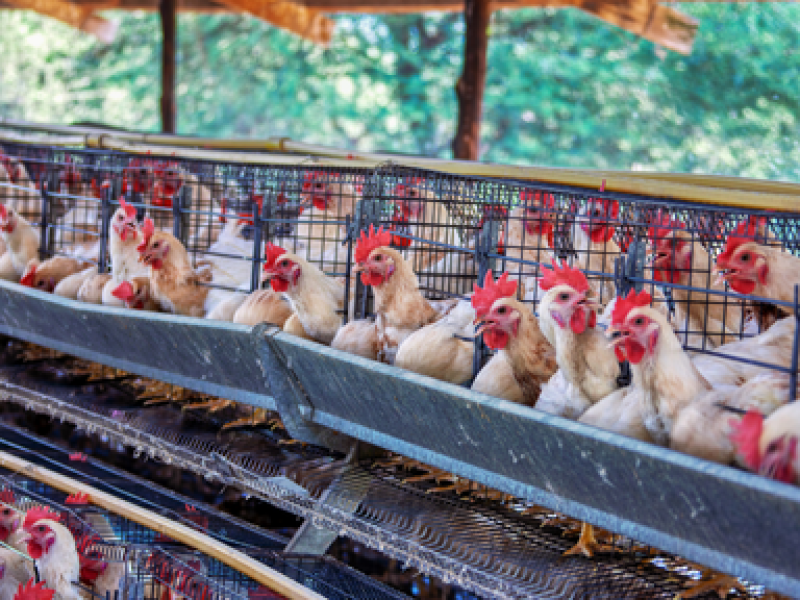
Case 2: Cahaya Nurkasih Sdn Bhd- Poultry Farm

Problems

  • High mortality (3,000 birds/year) and disease spread due to unmonitored environmental factors.

Solutions

  • Implemented IoT sensors for real-time temperature, humidity, and light monitoring.

Value Creation

  • Reduced mortality rate to less than 20 birds/year, preventing RM24,000 in annual damages.

Discover the Stages of Digital Adoption

Want to explore how digitalisation is transforming the agro-food sector?